


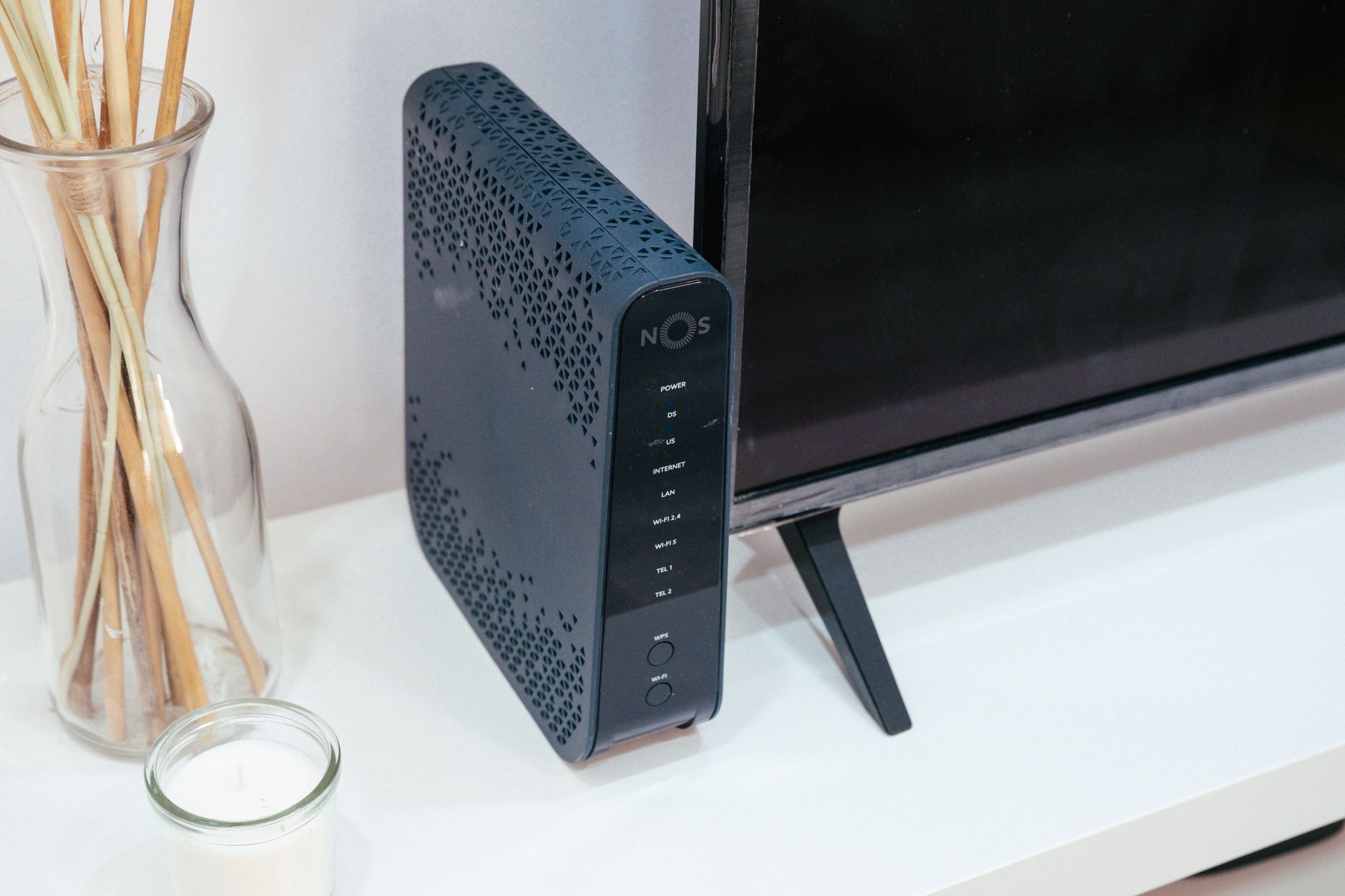

Featured image: Photo by Pascal 📷 on Pexels
Why Running a Single Cable Often Beats Mesh Wi-Fi for Home Networks
For many households, mesh Wi-Fi systems are marketed as an easy solution to poor internet coverage. However, experts argue that if even one Ethernet cable can be run, it may be a far superior option. The issue lies in how mesh nodes communicate: they rely on wireless backhaul, which competes with other devices for limited airtime. This competition can degrade performance, especially in larger homes or those with thick walls.
Wireless backhaul forces mesh nodes to relay data through the same airwaves used by phones, laptops, and smart TVs. This duplication of traffic consumes bandwidth that could otherwise be used by connected devices. In dual-band systems, where a single radio handles both client traffic and the link back to the main router, throughput can drop by about half at each relay point. Adding more hops in a daisy-chained setup compounds this loss, even if tri-band or quad-band systems offer some relief.
The placement of the main router also plays a critical role. Most weak Wi-Fi signals stem from routers positioned in corners, basements, or utility rooms, where their signals are wasted on unused areas. Mesh systems attempt to address this by adding nodes, but these satellites must balance proximity to the main router (for a strong backhaul link) and distance from dead zones (to extend coverage). This compromise often results in nodes being placed in suboptimal locations.
A single Ethernet cable resolves these challenges. Wired access points eliminate the need for wireless backhaul, freeing up airtime for devices and allowing placement based purely on coverage needs. These access points can also power switches at the far end of the cable run, providing wired connections for TVs, consoles, or desktops without adding more wireless clients. Additionally, standalone routers and access points offer greater flexibility, as they are not locked into vendor-specific ecosystems or subscription-based features like parental controls.
Mesh systems still have a place in homes where running cables is impractical, such as apartments or older houses with difficult wiring. They also simplify setup through centralized apps that manage device placement and updates automatically. However, alternatives like MoCA adapters—using existing coaxial TV cables to create high-speed, low-latency wired backhaul—can offer a middle ground. Powerline adapters, which use electrical wiring, are another option but are less reliable due to variations in home wiring.
FAQ
Why is wireless backhaul a problem for mesh Wi-Fi? Wireless backhaul forces mesh nodes to share the same airwaves as other devices, leading to competition for bandwidth and reduced throughput. Each relay hop can cut usable speed in half, with additional hops compounding the loss.
How does a single Ethernet cable improve performance? A wired connection eliminates the need for wireless backhaul, freeing up airtime for devices and allowing access points to be placed optimally for coverage. It also enables wired connections for high-demand devices like gaming consoles.
Are there alternatives to mesh Wi-Fi if running cables isn’t possible? Yes. MoCA adapters can repurpose existing coaxial TV cables for high-speed wired backhaul, while powerline adapters use electrical wiring, though their reliability varies depending on home infrastructure.
The hard truth
If running a single cable is feasible, it’s generally a better long-term solution than relying on mesh Wi-Fi. Mesh systems are still useful in scenarios where cables are impossible, but they come with trade-offs in speed, latency, and flexibility. Prioritize wired connections when possible, and consider mesh only as a secondary option.
Source attribution
Source: XDA